
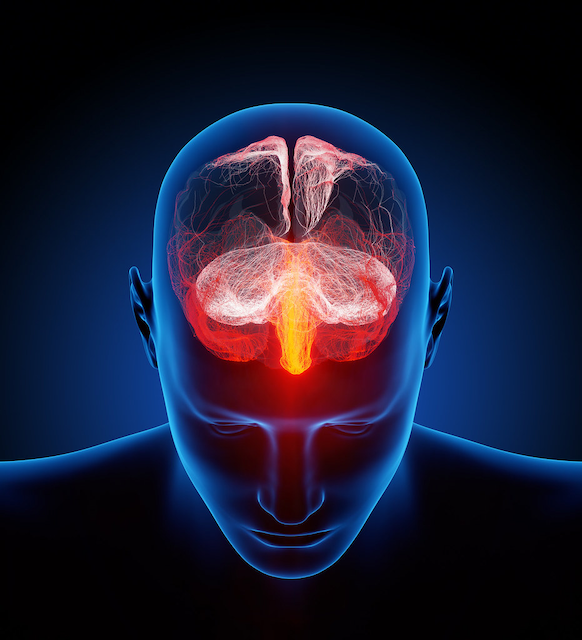
Stress is a universal human experience, but have you ever wondered what’s actually happening inside your body when you feel stressed? Understanding the science behind stress can empower you to manage it more effectively. In this article, we’ll explore the physiological mechanisms of stress and how Breakminder uses this knowledge to help you stay balanced.
The Stress Response: Your Body’s Alarm System
When you encounter a stressful situation, your body activates its “fight or flight” response. This complex process involves several key players: 1. The Amygdala: This almond-shaped region in your brain is the first to detect potential threats. It sends a distress signal to the hypothalamus. 2. The Hypothalamus: Acting as a command center, the hypothalamus communicates with the rest of your body through the autonomic nervous system. 3. The Autonomic Nervous System: This system controls involuntary body functions and has two components: – The Sympathetic Nervous System: It triggers the “fight or flight” response. – The Parasympathetic Nervous System: It controls the “rest and digest” response, helping you calm down after the danger has passed.
The Role of Stress Hormones
When the sympathetic nervous system is activated, it triggers the release of stress hormones: 1. Adrenaline (Epinephrine): Released by the adrenal glands, adrenaline increases your heart rate, elevates your blood pressure, and boosts energy supplies. 2. Cortisol: Often called the “stress hormone,” cortisol increases glucose in the bloodstream, enhances the brain’s use of glucose, and increases the availability of substances that repair tissues. These hormones prepare your body to face the perceived threat by: – Increasing heart rate and blood pressure – Quickening breathing – Tensing muscles – Sharpening senses
Acute vs. Chronic Stress
Stress can be categorized into two types: 1. Acute Stress: This is short-term stress that subsides once the threat is gone. It can actually be beneficial in small doses, helping you rise to challenges. 2. Chronic Stress: When stress persists over long periods, it becomes chronic. This can have serious health implications, including: – Cardiovascular problems – Weakened immune system – Digestive issues – Mental health disorders
How Breakminder Detects Stress
Breakminder leverages our understanding of the body’s stress response to provide real-time stress detection. It monitors several physiological indicators: 1. Heart Rate Variability (HRV): Stress typically decreases HRV. Breakminder continuously monitors your HRV to detect stress onset. 2. Skin Conductance: When you’re stressed, you tend to sweat more, increasing skin conductance. Breakminder’s sensors can detect these subtle changes. 3. Breathing Patterns: Stress often leads to rapid, shallow breathing. Breakminder tracks your respiratory rate to identify stress-related changes. 4. Muscle Tension: Using advanced sensors, Breakminder can detect increased muscle tension, another common sign of stress. By analyzing these indicators in real-time, Breakminder can alert you to rising stress levels before you might consciously realize it, allowing for timely interventions.
The Science of Stress Relief
Understanding how stress affects your body also illuminates how stress relief techniques work: 1. Deep Breathing: This activates the parasympathetic nervous system, countering the stress response. 2. Meditation: Regular meditation has been shown to reduce cortisol levels and decrease amygdala reactivity. 3. Physical Exercise: Exercise can lower stress hormones and release endorphins, natural mood elevators. 4. Social Connection: Positive social interactions can boost oxytocin, a hormone that counteracts the effects of cortisol. Breakminder incorporates these scientific insights into its stress management suggestions, providing you with evidence-based techniques tailored to your personal stress patterns.
Conclusion: Knowledge is Power
By understanding the science behind stress, you’re better equipped to recognize and manage it effectively. Breakminder takes this scientific knowledge and turns it into practical, personalized stress management. It’s like having a stress expert on your wrist, constantly monitoring and helping you maintain balance in your daily life. Remember, while stress is a normal part of life, chronic stress doesn’t have to be. With the right knowledge and tools like Breakminder, you can take control of your stress response and live a more balanced, healthier life.
Leave a Reply
You must be logged in to post a comment.