Category: Break Minder

  • The Static Awareness: Exploring the Resting State of Consciousness

    The Static Awareness: Exploring the Resting State of Consciousness

    Sep 26, 2024

    by

    ljholiday

    in Science

    Introduction

    The human mind is a marvel of complexity, a vast network of neurons and synapses constantly engaged in the processes of learning, thinking, and decision-making. But amidst this ceaseless activity, a profound question emerges: What is the static awareness? What lies beneath the surface of our conscious thoughts, in the moments before cognition sparks into action? This article delves into the concept of “static awareness” and explores the nature of consciousness at its most fundamental level.

    The Dynamic Nature of the Mind

    To understand the concept of static awareness, we must first acknowledge the inherently dynamic nature of the human mind. Our brains are in a constant state of flux, with billions of neurons firing and communicating through trillions of synaptic connections. This intricate dance of electrical and chemical signals forms the basis of our thoughts, emotions, and perceptions.

    The mind’s plasticity allows it to adapt and respond to both internal and external stimuli continuously. From processing sensory information to regulating bodily functions and generating complex thoughts, our brains are never truly “at rest” in the conventional sense.

    The Quest for Static Awareness

    Given this perpetual mental activity, the notion of a “static awareness” might seem paradoxical. However, the concept invites us to look beyond the surface-level thoughts and explore the foundational state of consciousness that underlies all cognitive processes.

    The static awareness can be thought of as the canvas upon which our thoughts are painted, or the silence between musical notes that gives rhythm its meaning. It’s the potential for thought before thought itself arises.

    The “At Rest” Thought

    When we consider the idea of an “at rest” thought, we’re essentially asking: What is the default state of consciousness? Is there a baseline mental state that exists when we’re not actively engaged in specific cognitive tasks?

    Some philosophers and neuroscientists propose that this resting state might be akin to a form of pure awareness or consciousness itself—a state of being aware without any particular object of awareness. This concept aligns with certain meditative practices that aim to cultivate a state of “thoughtless awareness” or “pure consciousness.”

    The First Thought and the Chemical Dance

    The human body is a complex system of interconnected processes, with the nervous system acting as a master regulator. Our nerves are constantly monitoring and responding to changes in our internal and external environment, adjusting our physiological state accordingly.

    When we experience a thought like “it is too hot out here. Go inside,” it’s the result of a cascade of neurochemical events:

    1. Sensory input: Thermoreceptors in our skin detect the high temperature.
    2. Signal transmission: This information is sent via nerves to the brain.
    3. Processing: The brain interprets this data in the context of our comfort and well-being.
    4. Response generation: A decision is made to seek a cooler environment.
    5. Conscious awareness: The thought “it is too hot out here. Go inside” emerges in our consciousness.

    But what precedes this entire process? What is the state of mind before the first chemical change that triggers this cascade?

    The Primordial Thought: Om?

    The concept of “Om” is intriguing and touches on ancient philosophical and spiritual concepts. In many Eastern traditions, particularly in Hinduism and Buddhism, “Om” (or “Aum”) is considered the primordial sound of the universe—the vibration from which all creation emerges.

    In the context of consciousness, “Om” could be seen as a metaphor for the base state of awareness—the underlying “hum” of existence that precedes all specific thoughts and perceptions. It represents a state of unity and potential, from which the multiplicity of conscious experience arises.

    Neuroscientific Perspectives

    Modern neuroscience offers some insights into the nature of resting-state consciousness:

    Default Mode Network

    Researchers have identified a network of brain regions that become active when we’re not engaged in any specific task. This “default mode network” (DMN) is associated with introspection, mind-wandering, and self-referential thinking. The DMN might represent a kind of baseline mental state, a “idling” mode of the brain that allows for quick transitions to more focused states of attention.

    Microstates and Consciousness

    EEG studies have revealed brief, stable patterns of brain activity called “microstates,” which last for fractions of a second. Some researchers propose that these microstates might represent the basic building blocks of consciousness, the rapid transitions between different states of awareness that underlie our subjective experience of a continuous stream of consciousness.

    Philosophical Implications

    The concept of static awareness raises profound philosophical questions about the nature of consciousness and the self:

    The Hard Problem of Consciousness

    Philosopher David Chalmers famously posed the “hard problem of consciousness”—the question of how and why we have subjective, qualitative experiences. The idea of static awareness touches on this problem by asking: What is the most basic form of subjective experience? Is there a fundamental “quale” or feeling of just being aware?

    The Illusion of Self

    Some philosophers and contemplative traditions argue that our sense of a unified, continuous self is an illusion—a construct created by our minds to make sense of our experiences. From this perspective, the static awareness might be what remains when we strip away all the layers of self-concept and mental constructs.

    Panpsychism and Fundamental Consciousness

    The concept of static awareness aligns with certain panpsychist theories, which propose that consciousness is a fundamental property of the universe, present in some form at all levels of reality. In this view, our individual consciousness might be seen as a complex manifestation of this underlying, universal awareness.

    Practical Applications and Explorations

    While the concept of static awareness might seem abstract, it has practical implications and can be explored through various means:

    Meditation and Mindfulness

    Many meditation practices aim to cultivate a state of pure awareness, free from the clutter of thoughts and perceptions. By practicing techniques like mindfulness meditation or Zen’s “shikantaza” (just sitting), individuals can potentially experience glimpses of this fundamental state of consciousness.

    Sensory Deprivation

    Flotation tanks and other forms of sensory deprivation can provide a unique environment for exploring the nature of consciousness when external stimuli are minimized. Some report experiences of ego dissolution and a sense of pure being in these conditions.

    Psychedelic Research

    Under careful scientific supervision, certain psychedelic substances have been shown to alter default brain networks and potentially allow access to unusual states of consciousness. Some researchers propose that these experiences might offer insights into the nature of awareness itself.

    Conclusion: The Endless Frontier of Consciousness

    The quest to understand static awareness—the fundamental state of consciousness that precedes thought and perception—is an ongoing journey that spans neuroscience, philosophy, and contemplative traditions. While we may never fully grasp the nature of this primordial awareness, the exploration itself offers profound insights into the nature of mind and reality.

    As we continue to probe the depths of consciousness, we may find that the static awareness is not truly static at all, but a dynamic potential—a wellspring of being from which the rich tapestry of our conscious experience continually emerges. Like the concept of “Om,” it represents both the beginning and the eternal—the ground of being that underlies all of existence.

    In our daily lives, moments of quiet reflection, meditation, or simply pausing to notice the space between thoughts can offer glimpses of this fundamental awareness. By cultivating an appreciation for the depths of consciousness, we open ourselves to a richer, more profound understanding of our own nature and the universe we inhabit.

    The journey to understand static awareness is, in essence, a journey to understand ourselves at the most fundamental level. It is a reminder that beneath the constant flux of thoughts, emotions, and perceptions, there lies a vast, mysterious realm of pure potential—the silent backdrop against which the grand drama of consciousness unfolds.


  • The Future of Stress Management: AI, Wearables, and Beyond

    The Future of Stress Management: AI, Wearables, and Beyond

    As we’ve explored throughout this series, stress management has come a long way, with devices like Breakminder leading the charge. But what does the future hold? Let’s take a glimpse into the exciting developments on the horizon and how Breakminder is paving the way for the next generation of stress management technology.

    1. Advanced AI for Predictive Stress Management

    The future of stress management lies in prevention rather than just reaction. Here’s what we might see:

    • AI that can predict stress episodes before they occur, based on patterns in behavior, physiology, and environmental factors
    • Personalized stress forecasts, similar to weather forecasts, allowing users to prepare for high-stress periods
    • AI-driven scheduling assistants that optimize daily routines to minimize stress

    Breakminder’s Role: Our AI algorithms are continuously evolving, laying the groundwork for these predictive capabilities. We’re working on integrating more data points to enhance our stress prediction accuracy.

    2. Enhanced Biometric Sensors

    The next generation of wearables will likely include more sophisticated sensors:

    • Continuous cortisol monitoring through non-invasive methods
    • Brain activity sensors that can detect stress-related patterns
    • Advanced heart rate variability (HRV) analysis for more nuanced stress detection

    Breakminder’s Role: We’re actively researching and testing new sensor technologies to incorporate into future versions of our device, ensuring we stay at the cutting edge of stress detection.

    3. Integration with Smart Environments

    The Internet of Things (IoT) will play a significant role in future stress management:

    • Stress-responsive smart homes that adjust lighting, temperature, and ambient noise based on the user’s stress levels
    • Workplace systems that adapt to employees’ stress levels, adjusting workload or suggesting breaks
    • Stress-aware vehicles that could alter driving modes or suggest rest stops during stressful commutes

    Breakminder’s Role: We’re developing APIs to allow Breakminder to communicate with smart home systems and workplace management software, creating a more holistic stress management ecosystem.

    4. Virtual and Augmented Reality for Stress Relief

    Immersive technologies will offer new ways to manage stress:

    • VR environments for instant stress escape and relaxation
    • AR overlays that provide real-time stress management cues in daily life
    • Virtual stress management coaches using advanced AI and natural language processing

    Breakminder’s Role: While our current focus is on wearable technology, we’re exploring partnerships with VR/AR companies to create immersive stress management experiences triggered by Breakminder’s stress detection.

    5. Neurofeedback and Brain-Computer Interfaces

    Direct brain interaction could revolutionize stress management:

    • Devices that can directly modulate brain activity to reduce stress
    • Thought-controlled stress management apps
    • Subconscious stress management through neural interfaces

    Breakminder’s Role: While this technology is still in its early stages, we’re closely monitoring developments in this field and considering how we might integrate neurofeedback into future products.

    6. Personalized, Gene-Based Stress Management

    Advances in genetics could lead to highly personalized stress management:

    • Stress management strategies tailored to individual genetic profiles
    • Early identification of genetic predispositions to stress-related disorders
    • Personalized nutrition and supplement recommendations for stress resilience based on genetic data

    Breakminder’s Role: We’re exploring partnerships with genetic testing companies to research how genetic factors influence stress responses and how we can incorporate this data into our personalized recommendations.

    The Ethical Considerations

    As we advance into this exciting future, it’s crucial to consider the ethical implications:

    • Privacy concerns with increasingly personal data collection
    • The need for transparency in AI decision-making processes
    • Ensuring equitable access to advanced stress management technologies
    • Maintaining the balance between technological assistance and personal autonomy in managing mental health

    At Breakminder, we’re committed to advancing stress management technology responsibly, with user privacy and ethical considerations at the forefront of our innovation process.

    Conclusion: A Less Stressful Future

    The future of stress management is bright, with technology offering increasingly sophisticated tools to understand and manage our mental well-being. As exciting as these advancements are, the core principle remains the same: empowering individuals to live healthier, more balanced lives.

    Breakminder is proud to be at the forefront of this revolution in stress management. As we continue to innovate and grow, we remain committed to our mission: providing personalized, effective stress management solutions that adapt to the changing needs of our users and the evolving landscape of technology.

    The journey towards better stress management is ongoing, and we’re excited to continue this journey with you, embracing new technologies while always keeping the human experience at the heart of what we do.

  • From Burnout to Balance: Real Stories of Stress Management Success

    From Burnout to Balance: Real Stories of Stress Management Success

    OK. Maybe not so real, but they serve to illustrate real points.

    While understanding stress management techniques is crucial, sometimes the most inspiring insights come from real-life success stories. Today, we’re sharing the journeys of three individuals who transformed their lives using Breakminder. These stories illustrate how personalized, technology-assisted stress management can lead to profound changes in one’s professional and personal life.

    Sarah’s Story: From Burnout to Entrepreneurial Success

    Sarah, a 35-year-old marketing executive, found herself on the brink of burnout. Long hours, constant deadlines, and a never-ending stream of emails were taking their toll. She shares:

    “I was irritable, having trouble sleeping, and my creativity was at an all-time low. I knew something had to change, but I didn’t know where to start.”

    Enter Breakminder. Sarah started using the device and was surprised by how quickly it detected her stress patterns.

    “Breakminder alerted me to stress spikes I wasn’t even aware of. It encouraged me to take short breaks throughout the day and guided me through quick breathing exercises. Within weeks, I felt more in control.”

    As Sarah’s stress levels decreased, her creativity flourished. She eventually felt confident enough to start her own marketing agency.

    “Breakminder didn’t just help me manage stress; it helped me rediscover my passion. Now, as a business owner, I use it to maintain a healthy work-life balance and encourage my team to do the same.”

    Tom’s Journey: Improving Work-Life Balance and Saving His Marriage

    Tom, a 42-year-old software engineer, was so consumed by work that his personal relationships were suffering. He recalls:

    “I was constantly bringing work home. My wife said she felt like she was living with a stranger. I knew I needed to change, but I didn’t know how to ‘switch off’.”

    Tom started using Breakminder, which helped him create clear boundaries between work and personal time.

    “Breakminder would remind me to start winding down as my workday ended. It suggested relaxation techniques that helped me transition from ‘work mode’ to ‘home mode’. I started being more present with my family.”

    The change in Tom was significant. His relationship with his wife improved, and he found himself enjoying work more.

    “By managing my stress better, I became more efficient at work and more engaged at home. Breakminder didn’t just save my marriage; it made me a better engineer too.”

    Lisa’s Experience: Managing Stress While Battling Chronic Illness

    Lisa, a 28-year-old teacher, was diagnosed with an autoimmune condition that was exacerbated by stress. She explains:

    “My condition meant I had to be extra careful about stress, but my job as a teacher is inherently stressful. I was worried I’d have to give up the career I loved.”

    Lisa found Breakminder to be a game-changer in managing her condition alongside her career.

    “Breakminder helped me identify specific situations that triggered my stress. It would alert me before my stress levels got too high, allowing me to take proactive measures. The guided meditations were particularly helpful during lunch breaks.”

    With better stress management, Lisa saw improvements in both her health and her teaching.

    “I’m now more attuned to my body’s needs. I’ve had fewer flare-ups of my condition, and I feel I’m a more patient, effective teacher. Breakminder has been an essential tool in maintaining my health and my career.”

    The Role of Breakminder in These Success Stories

    While each of these stories is unique, they all highlight key features of Breakminder:

    • Real-time stress detection and alerts
    • Personalized stress management techniques
    • Guided exercises for relaxation and mindfulness
    • Help in creating healthy boundaries and transitions
    • Adaptability to different lifestyles and health conditions

    These stories demonstrate that effective stress management is not about eliminating stress entirely, but about understanding, monitoring, and responding to it in healthy ways. Breakminder serves as a personal stress management coach, providing the tools and insights needed to transform one’s relationship with stress.

    Whether you’re dealing with workplace burnout, struggling with work-life balance, or managing stress alongside health conditions, Breakminder can be customized to meet your unique needs. By learning from real-time data and providing timely interventions, it empowers users to take control of their stress and, by extension, their lives.

    Remember, the journey from burnout to balance is a personal one, but with the right tools and support, it’s a journey that’s within everyone’s reach.

  • Stress Management for Different Personality Types

    Stress Management for Different Personality Types

    Stress is a universal experience, but how we perceive and manage it can vary greatly depending on our personality type. Understanding these differences can be key to effective stress management. Let’s explore how different personality types experience stress and how Breakminder can be tailored to meet diverse needs.

    The Big Five Personality Traits and Stress

    Psychologists often use the “Big Five” model to describe personality. Here’s how each trait might influence stress responses:

    1. Openness to Experience:
      • High: May find novel stress-management techniques intriguing
      • Low: Might prefer traditional, tried-and-true methods
      Breakminder Approach: Offers a mix of innovative and classic stress-relief techniques
    2. Conscientiousness:
      • High: May experience stress from perfectionism but excel at structured stress-management routines
      • Low: Might struggle with consistent stress-management practices
      Breakminder Approach: Provides reminders and tracks progress to support routine-building
    3. Extraversion:
      • High: Might find social stress-relief activities energizing
      • Low: May prefer solitary, quiet stress-management techniques
      Breakminder Approach: Offers both social and solitary stress-relief options
    4. Agreeableness:
      • High: Could neglect personal needs while caring for others
      • Low: Might experience stress in collaborative environments
      Breakminder Approach: Encourages self-care and provides techniques for managing interpersonal stress
    5. Neuroticism:
      • High: More susceptible to stress, may require more frequent interventions
      • Low: Generally more stress-resistant, but might overlook early stress signals
      Breakminder Approach: Adjusts sensitivity and frequency of alerts based on user’s stress patterns

    Myers-Briggs Type Indicator (MBTI) and Stress Management

    While scientifically controversial, the MBTI is widely used and can offer interesting insights:

    1. Extraverts vs. Introverts:
      • Extraverts may recharge through social activities
      • Introverts might need solitary time to destress
      Breakminder Approach: Suggests appropriate activities based on user preferences
    2. Sensors vs. Intuitives:
      • Sensors might prefer practical, tangible stress-relief methods
      • Intuitives may enjoy abstract or creative stress-management techniques
      Breakminder Approach: Offers a range of concrete and abstract stress-relief exercises
    3. Thinkers vs. Feelers:
      • Thinkers may appreciate logical, structured approaches to stress management
      • Feelers might respond better to emotion-focused coping strategies
      Breakminder Approach: Provides both analytical and emotional support for stress management
    4. Judgers vs. Perceivers:
      • Judgers often find relief in planning and organizing
      • Perceivers might prefer flexible, spontaneous stress-relief activities
      Breakminder Approach: Allows for both scheduled and on-demand stress-management sessions

    The Enneagram and Stress Management

    The Enneagram, a system of nine interconnected personality types, offers unique insights into how different individuals may experience and manage stress:

    1. Type 1 (The Perfectionist):
      • Stress trigger: Perceived imperfection or criticism
      • Stress response: Becoming overly critical and rigid
      Breakminder Approach: Encourages self-compassion and reminds users that progress, not perfection, is the goal
    2. Type 2 (The Helper):
      • Stress trigger: Feeling unappreciated or unnecessary
      • Stress response: Becoming overly clingy or manipulative
      Breakminder Approach: Promotes self-care and setting healthy boundaries
    3. Type 3 (The Achiever):
      • Stress trigger: Fear of failure or loss of status
      • Stress response: Overworking and neglecting personal needs
      Breakminder Approach: Reminds users to take breaks and celebrate small victories
    4. Type 4 (The Individualist):
      • Stress trigger: Feeling misunderstood or lacking significance
      • Stress response: Withdrawing or becoming overly emotional
      Breakminder Approach: Offers creative outlets for self-expression and emotion regulation techniques
    5. Type 5 (The Investigator):
      • Stress trigger: Feeling overwhelmed by demands or invaded privacy
      • Stress response: Detaching and over-analyzing
      Breakminder Approach: Provides structured ways to process information and gentle reminders to engage with the world
    6. Type 6 (The Loyalist):
      • Stress trigger: Uncertainty and perceived threats
      • Stress response: Becoming anxious and seeking reassurance
      Breakminder Approach: Offers grounding techniques and helps identify reliable sources of support
    7. Type 7 (The Enthusiast):
      • Stress trigger: Feeling constrained or missing out
      • Stress response: Becoming scattered and avoiding negative feelings
      Breakminder Approach: Encourages mindful presence and helps find joy in current circumstances
    8. Type 8 (The Challenger):
      • Stress trigger: Feeling controlled or vulnerable
      • Stress response: Becoming confrontational and domineering
      Breakminder Approach: Promotes constructive expression of emotions and reminds of the strength in vulnerability
    9. Type 9 (The Peacemaker):
      • Stress trigger: Conflict or excessive demands
      • Stress response: Becoming stubborn or disengaging
      Breakminder Approach: Encourages assertiveness and helps prioritize personal needs

    Breakminder’s adaptive AI can learn to recognize patterns that might indicate a user’s Enneagram type, tailoring its approach accordingly. However, it’s important to note that while personality frameworks like the Enneagram can offer valuable insights, individual experiences may vary. Breakminder’s strength lies in its ability to learn and adapt to each user’s unique stress patterns and responses, regardless of how they align with any particular personality model.

    Type A vs. Type B Personalities

    This classification, while simplistic, can be useful:

    • Type A: Competitive, time-urgent, and often stressedBreakminder Approach: Emphasizes the importance of breaks, offers quick stress-relief techniques
    • Type B: More relaxed and less prone to stressBreakminder Approach: Focuses on maintaining balance and preventing stress build-up

    Breakminder: Personalized Stress Management

    Breakminder’s AI-driven approach allows for highly personalized stress management:

    1. Learning Period: Breakminder observes user behavior and stress patterns over time
    2. Customized Alerts: Adjusts the frequency and type of stress alerts based on individual needs
    3. Tailored Techniques: Suggests stress-management techniques that align with the user’s personality and preferences
    4. Adaptive Approach: Continuously refines its approach based on user feedback and changing patterns
    5. Holistic View: Considers various aspects of personality to provide a well-rounded stress management strategy

    Understanding how different personality types experience and manage stress is crucial for effective stress management. Breakminder’s adaptive, AI-driven approach allows it to cater to a wide range of personality types, providing personalized stress management solutions for each unique user. By recognizing and respecting individual differences, Breakminder helps everyone find their own path to stress relief and overall well-being.

  • A Day in the Life: How Breakminder Helps You Manage Stress

    A Day in the Life: How Breakminder Helps You Manage Stress

    In our fast-paced world, stress has become an unwelcome companion in our daily lives. From the moment we wake up to the time we lay our heads down to sleep, we encounter numerous stress triggers. But what if you had a personal stress management assistant by your side, guiding you through the ups and downs of your day? Enter Breakminder, your AI-powered stress management device. In this article, we’ll walk you through a typical day with Breakminder, showing you how this innovative technology can help you navigate stress, stay balanced, and make the most of your day. From morning commutes to high-stakes meetings, and from afternoon slumps to evening wind-downs, you’ll see how Breakminder works tirelessly to keep you at your best. Let’s begin our journey and discover how Breakminder can transform your daily routine into a more balanced, productive, and stress-managed experience.

    Morning Routine: Starting Your Day Right

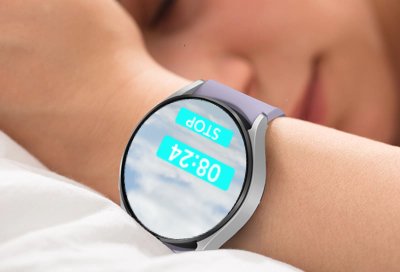
    6:30 AM: As the first rays of sunlight peek through your curtains, Breakminder gently vibrates on your wrist. Unlike jarring alarm clocks that startle you awake, Breakminder’s smart alarm function has monitored your sleep cycles and chosen the optimal moment to wake you, ensuring you start your day feeling refreshed. As you check your Breakminder app, you notice it has analyzed your sleep quality. “You had 7 hours of sleep with 85% sleep quality. Great job!” the app cheerfully informs you. This positive reinforcement sets a good tone for the day ahead. 7:00 AM: The morning rush begins. As you hurry to get ready for work, Breakminder detects a slight increase in your heart rate and skin conductance – early signs of stress. A gentle vibration reminds you to take a deep breath. You pause for a moment, following the guided breathing exercise on your Breakminder display. In just 30 seconds, you feel more centered and ready to tackle the day. 7:45 AM: You’re about to leave for work when you realize you can’t find your keys. As you frantically search, Breakminder picks up on your rising stress levels. It vibrates, displaying a calming message: “Take a moment. Breathe. Then retrace your steps.” This timely intervention helps you avoid spiraling into panic. You take a deep breath, and suddenly remember – the keys are in your coat pocket from yesterday. In just these first moments of your day, Breakminder has already helped you wake up more naturally, start your day with a positive mindset, and navigate a potentially stressful situation with calm and clarity. And this is just the beginning of how Breakminder will support you throughout your day.

    The Commute: Turning Traffic Time into Tranquil Time

    8:00 AM: As you merge onto the highway, you’re met with the all-too-familiar sight of bumper-to-bumper traffic. Your heart rate begins to climb as you realize you might be late for your 9 AM meeting. Breakminder, constantly monitoring your vital signs, detects this spike in stress levels. Instead of letting you stew in traffic-induced anxiety, Breakminder initiates a calming protocol. A soothing voice from your car’s speakers (connected via Bluetooth) guides you through a mindfulness exercise: “Focus on your breathing. Notice the rise and fall of your chest. Let go of thoughts about being late – you can’t control the traffic, but you can control your reaction to it.” 8:30 AM: As traffic crawls along, Breakminder suggests switching to your favorite podcast. It’s learned from your patterns that this activity helps lower your stress levels during long commutes. As you immerse yourself in the podcast, you feel your frustration with the traffic melt away. 8:55 AM: You finally arrive at the office, cutting it close for your 9 AM meeting. But thanks to Breakminder’s interventions, you’re not a ball of stress. Instead, you feel surprisingly calm and ready to tackle the day. Breakminder sends a congratulatory message: “Great job managing commute stress! Your resilience is improving.” By turning your stressful commute into an opportunity for mindfulness and learning, Breakminder has helped you arrive at work in a positive state of mind, setting you up for a productive day ahead.

    At Work: Navigating Professional Pressures

    9:30 AM: You’re in the middle of presenting a crucial project to your team and stakeholders. As you field tough questions, Breakminder detects an uptick in your stress levels. It sends a subtle vibration – a gentle reminder to take a deep breath. You pause, take a sip of water, and continue with renewed composure. 11:00 AM: A last-minute request from a client threatens to derail your carefully planned day. As you feel your anxiety rising, Breakminder steps in. It suggests a quick 2-minute stretch break, guiding you through simple desk exercises. This short interruption helps clear your mind, allowing you to approach the challenge with a fresh perspective. 1:00 PM: Lunchtime arrives, but you’re tempted to work through it to catch up. Breakminder, recognizing your elevated stress levels and lack of movement, sends an alert: “Time for a proper break. Stepping away will boost your afternoon productivity.” Heeding this advice, you decide to take a walk outside while eating your lunch. The combination of physical activity, fresh air, and nourishment leaves you feeling refreshed and ready for the afternoon ahead. 3:00 PM: The afternoon slump hits. Breakminder notices a dip in your energy levels and increased tension in your shoulders. It recommends a quick meditation session. You put on your headphones and follow a 5-minute guided meditation. Afterward, you feel more alert and focused, ready to tackle the rest of your day. Throughout your workday, Breakminder has helped you manage stress peaks, maintain focus, and avoid burnout. By providing timely interventions and encouraging healthy habits, it’s enabled you to navigate professional pressures with grace and resilience.

    Evening Wind-down: From Work Mode to Relaxation

    6:00 PM: As you leave the office, Breakminder notices that your stress levels are still elevated from the day’s activities. It suggests taking a different route home – one that passes by a park. The change of scenery and glimpse of nature help you start to decompress. 7:00 PM: At home, you’re tempted to check your work emails. Breakminder, aware of your usual patterns, sends a gentle reminder: “Work hours are over. Time to relax and recharge.” This nudge helps you resist the urge to dive back into work mode. 8:00 PM: Breakminder has learned that engaging in a hobby helps lower your evening stress levels. It suggests spending some time on your neglected painting project. As you lose yourself in the creative process, Breakminder monitors your decreasing stress levels, affirming the positive impact of this activity. 9:30 PM: As bedtime approaches, Breakminder initiates its evening wind-down protocol. It reminds you to dim the lights and avoid blue light from screens. The app suggests a calming playlist and guides you through a progressive muscle relaxation exercise. 10:30 PM: Breakminder’s sleep tracking function activates as you prepare for bed. It provides a summary of your day’s stress levels and coping successes, ending with an encouraging message: “You navigated today’s challenges well. Let’s aim for restorative sleep to prepare for tomorrow.” By helping you transition from work mode to relaxation, Breakminder ensures that you end your day on a calm note, setting the stage for restful sleep and a fresh start tomorrow.

    Conclusion: A Day Well Managed

    As we’ve seen, Breakminder isn’t just a device – it’s a constant companion in your journey towards better stress management. From the moment you wake up to the time you go to bed, it’s there to offer support, guidance, and timely interventions. By providing real-time stress detection, personalized interventions, and encouraging healthy habits, Breakminder helps you navigate daily challenges with greater ease and resilience. It doesn’t just help you cope with stress – it teaches you to understand your stress patterns and develop long-term strategies for a more balanced life. Remember, stress is a part of life, but it doesn’t have to control your life. With Breakminder, you have the tools to transform how you respond to stress, one breath, one moment, one day at a time. Here’s to many more days of mindful, managed, and meaningful living with Breakminder by your side.

  • The Science Behind Stress: Understanding Your Body’s Response

    The Science Behind Stress: Understanding Your Body’s Response

    Stress is a universal human experience, but have you ever wondered what’s actually happening inside your body when you feel stressed? Understanding the science behind stress can empower you to manage it more effectively. In this article, we’ll explore the physiological mechanisms of stress and how Breakminder uses this knowledge to help you stay balanced.

    The Stress Response: Your Body’s Alarm System

    When you encounter a stressful situation, your body activates its “fight or flight” response. This complex process involves several key players: 1. The Amygdala: This almond-shaped region in your brain is the first to detect potential threats. It sends a distress signal to the hypothalamus. 2. The Hypothalamus: Acting as a command center, the hypothalamus communicates with the rest of your body through the autonomic nervous system. 3. The Autonomic Nervous System: This system controls involuntary body functions and has two components: – The Sympathetic Nervous System: It triggers the “fight or flight” response. – The Parasympathetic Nervous System: It controls the “rest and digest” response, helping you calm down after the danger has passed.

    The Role of Stress Hormones

    When the sympathetic nervous system is activated, it triggers the release of stress hormones: 1. Adrenaline (Epinephrine): Released by the adrenal glands, adrenaline increases your heart rate, elevates your blood pressure, and boosts energy supplies. 2. Cortisol: Often called the “stress hormone,” cortisol increases glucose in the bloodstream, enhances the brain’s use of glucose, and increases the availability of substances that repair tissues. These hormones prepare your body to face the perceived threat by: – Increasing heart rate and blood pressure – Quickening breathing – Tensing muscles – Sharpening senses

    Acute vs. Chronic Stress

    Stress can be categorized into two types: 1. Acute Stress: This is short-term stress that subsides once the threat is gone. It can actually be beneficial in small doses, helping you rise to challenges. 2. Chronic Stress: When stress persists over long periods, it becomes chronic. This can have serious health implications, including: – Cardiovascular problems – Weakened immune system – Digestive issues – Mental health disorders

    How Breakminder Detects Stress

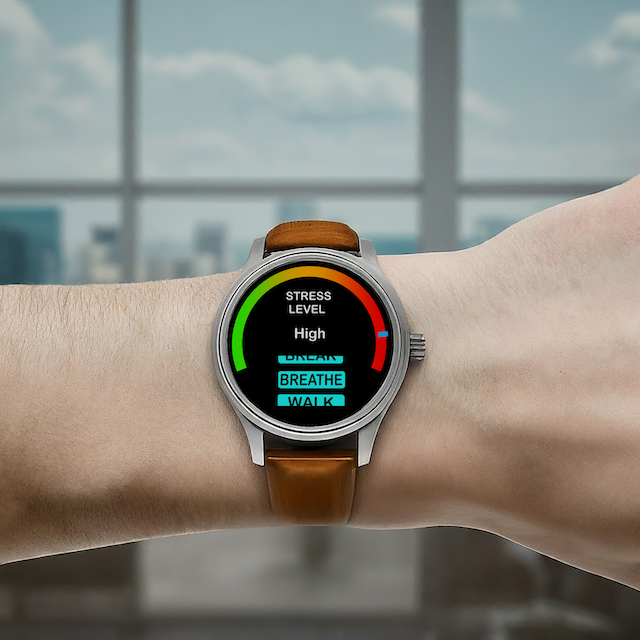
    Breakminder leverages our understanding of the body’s stress response to provide real-time stress detection. It monitors several physiological indicators: 1. Heart Rate Variability (HRV): Stress typically decreases HRV. Breakminder continuously monitors your HRV to detect stress onset. 2. Skin Conductance: When you’re stressed, you tend to sweat more, increasing skin conductance. Breakminder’s sensors can detect these subtle changes. 3. Breathing Patterns: Stress often leads to rapid, shallow breathing. Breakminder tracks your respiratory rate to identify stress-related changes. 4. Muscle Tension: Using advanced sensors, Breakminder can detect increased muscle tension, another common sign of stress. By analyzing these indicators in real-time, Breakminder can alert you to rising stress levels before you might consciously realize it, allowing for timely interventions.

    The Science of Stress Relief

    Understanding how stress affects your body also illuminates how stress relief techniques work: 1. Deep Breathing: This activates the parasympathetic nervous system, countering the stress response. 2. Meditation: Regular meditation has been shown to reduce cortisol levels and decrease amygdala reactivity. 3. Physical Exercise: Exercise can lower stress hormones and release endorphins, natural mood elevators. 4. Social Connection: Positive social interactions can boost oxytocin, a hormone that counteracts the effects of cortisol. Breakminder incorporates these scientific insights into its stress management suggestions, providing you with evidence-based techniques tailored to your personal stress patterns.

    Conclusion: Knowledge is Power

    By understanding the science behind stress, you’re better equipped to recognize and manage it effectively. Breakminder takes this scientific knowledge and turns it into practical, personalized stress management. It’s like having a stress expert on your wrist, constantly monitoring and helping you maintain balance in your daily life. Remember, while stress is a normal part of life, chronic stress doesn’t have to be. With the right knowledge and tools like Breakminder, you can take control of your stress response and live a more balanced, healthier life.

  • 5 Simple Techniques for Instant Stress Relief at Work

    5 Simple Techniques for Instant Stress Relief at Work

    In today’s fast-paced work environment, stress can creep up on us quickly. The good news is that with Breakminder, you have a powerful ally in managing that stress. Here are five simple techniques that Breakminder can guide you through for instant stress relief at work:

    1. Deep Breathing Exercise

    When Breakminder detects rising stress levels, it may suggest a quick deep breathing exercise. Here’s how: – Inhale deeply through your nose for 4 seconds – Hold your breath for 4 seconds – Exhale slowly through your mouth for 6 seconds – Repeat this cycle 3-5 times This technique, known as “box breathing,” can quickly calm your nervous system and reduce stress hormones.

    2. Progressive Muscle Relaxation

    Breakminder might guide you through a brief muscle relaxation routine: – Start with your toes, tense them for 5 seconds, then relax – Move up to your calves, thighs, and so on, all the way to your facial muscles – Focus on the contrast between tension and relaxation This technique helps release physical tension that often accompanies stress.

    3. Mindful Minute

    When stress peaks, Breakminder could prompt you to take a mindful minute: – Focus your attention on the present moment – Notice five things you can see, four things you can touch, three things you can hear, two things you can smell, and one thing you can taste – This grounding exercise can break the cycle of stressful thoughts and bring you back to the present

    4. Quick Stretch Routine

    Breakminder may suggest a series of desk-friendly stretches: – Neck rolls: Gently roll your head in a circular motion – Shoulder shrugs: Raise your shoulders to your ears, hold, then release – Wrist stretches: Extend your arm and gently pull your hand back, then down – Ankle rotations: Lift your feet and rotate your ankles These stretches can release physical tension and promote blood flow, reducing stress.

    5. Positive Visualization

    Finally, Breakminder might guide you through a brief positive visualization: – Close your eyes and imagine a peaceful, calming place – Engage all your senses in this visualization – Spend 30 seconds to a minute in this mental “happy place” This technique can provide a mental break and reset your emotional state.

    Remember, with Breakminder, these techniques are just a tap away. By incorporating these simple practices into your workday, you can effectively manage stress and maintain productivity. Breakminder doesn’t just alert you to stress – it provides you with the tools to combat it in real-time.

  • How Technology is Revolutionizing Stress Management

    How Technology is Revolutionizing Stress Management

    In our increasingly digital world, technology is not just a source of stress – it’s becoming a powerful tool for managing it. From wearable devices to artificial intelligence, innovative technologies are transforming how we understand, monitor, and mitigate stress. Let’s explore how these advancements are revolutionizing stress management, with Breakminder leading the charge.

    1. Wearable Devices for Stress Detection

    Wearable technology has come a long way from simple step counters. Today’s advanced wearables, like Breakminder, can detect stress through various physiological indicators: – Heart Rate Variability (HRV): Variations in the time between heartbeats can indicate stress levels. – Skin Conductance: Stress often increases sweating, which affects skin conductance. – Respiration Rate: Rapid, shallow breathing can be a sign of stress. By continuously monitoring these factors, devices like Breakminder can alert users to rising stress levels before they become overwhelming, enabling proactive stress management.

    2. AI-Powered Stress Analysis

    Artificial Intelligence is taking stress detection and management to new heights. AI algorithms can: – Analyze patterns in physiological data to predict stress triggers – Learn individual stress responses over time for personalized interventions – Provide real-time suggestions for stress relief based on current circumstances Breakminder’s AI goes beyond simple stress detection. It learns your unique stress patterns and tailors its interventions accordingly, becoming more effective over time.

    3. Virtual Reality for Relaxation

    Virtual Reality (VR) is opening up new possibilities for stress relief: – Immersive relaxation experiences, like virtual beaches or forests – Guided meditation in calming virtual environments – Stress-relieving games that distract and relax simultaneously While Breakminder doesn’t use VR directly, it can suggest when a VR relaxation session might be beneficial based on your stress levels.

    4. Biofeedback Systems

    Biofeedback technology allows users to see real-time data about their physiological state: – Visual representations of heart rate, breathing, and muscle tension – Immediate feedback on the effectiveness of relaxation techniques – Gamification of relaxation, where users can “score points” for effectively reducing stress indicators Breakminder incorporates elements of biofeedback, showing you in real-time how your stress-relief efforts are impacting your physiological state.

    5. Smart Environment Control

    The Internet of Things (IoT) is being harnessed for stress management: – Smart lighting that adjusts based on stress levels to create a calming environment – Noise-cancelling systems that activate when stress is detected – Aromatherapy devices that release calming scents in response to stress signals While Breakminder focuses on personal stress management, it can potentially integrate with smart home systems to create a holistically stress-reducing environment.

    The Breakminder Advantage: Combining Technologies for Optimal Stress Management

    What sets Breakminder apart in this technological revolution is its holistic approach. By combining wearable technology, AI analysis, and elements of biofeedback, Breakminder offers a comprehensive stress management solution: – Continuous monitoring for early stress detection – Personalized, AI-driven interventions that improve over time – Real-time feedback on stress levels and the effectiveness of relief techniques – Integration potential with other stress-management technologies As technology continues to evolve, so too will our ability to manage stress effectively. Breakminder is at the forefront of this revolution, leveraging the best of current technology while constantly innovating for the future of stress management.

    In conclusion, technology is not just changing how we work and communicate – it’s transforming how we manage our mental well-being. With devices like Breakminder, we’re not just reacting to stress, we’re preempting it, understanding it better, and managing it more effectively than ever before. Welcome to the future of stress management – it’s already here, and it’s only getting better.

  • The Hidden Costs of Workplace Stress: Why Employers Should Care

    The Hidden Costs of Workplace Stress: Why Employers Should Care

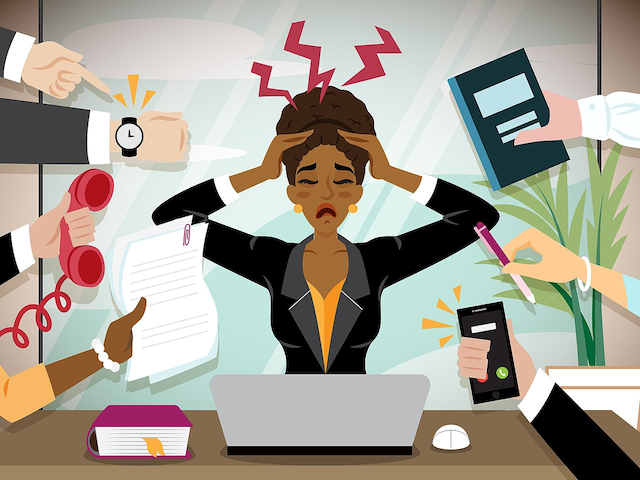
    Workplace stress has become a silent epidemic, affecting not just employee well-being but also significantly impacting a company’s bottom line. While the personal toll of stress is well-documented, many employers underestimate its far-reaching economic consequences. Let’s delve into the hidden costs of workplace stress and explore how innovative solutions like Breakminder can help mitigate these expenses.

    1. Productivity Losses

    Stress is a major productivity killer: – The American Institute of Stress reports that job stress costs U.S. industry more than $300 billion annually in absenteeism, turnover, diminished productivity, and medical, legal, and insurance costs. – Stressed employees are estimated to be 50% less productive. – Presenteeism (working while unwell) due to stress can be even more costly than absenteeism. Breakminder helps by: Providing real-time stress detection and management techniques, helping employees maintain focus and productivity throughout the day.

    2. Healthcare Costs

    Chronic stress takes a toll on physical health: – According to the Journal of Occupational and Environmental Medicine, healthcare expenditures are nearly 50% greater for workers who report high levels of stress. – Stress-related ailments cost businesses an estimated $200 to $300 billion a year in lost work days and associated healthcare costs. Breakminder helps by: Encouraging proactive stress management, potentially reducing the incidence of stress-related health issues and associated healthcare costs.

    3. Employee Turnover

    High stress levels lead to higher turnover rates: – A study by SHRM found that replacing an employee costs 6 to 9 months of their salary on average. – Workplace stress leads to an increase of almost 50% in voluntary turnover. Breakminder helps by: Improving employee well-being and job satisfaction, potentially increasing retention rates and reducing turnover-related costs.

    4. Workplace Accidents and Injuries

    Stressed employees are more prone to accidents: – The European Agency for Safety and Health at Work reports that 50-60% of all lost working days are related to work-related stress. – Stressed workers are more likely to engage in unsafe work practices or take unnecessary risks. Breakminder helps by: Alerting employees to high stress levels, promoting mindfulness, and potentially reducing stress-related accidents and associated costs.

    5. Decreased Innovation and Creativity

    Chronic stress stifles innovation: – Stress narrows focus and impairs cognitive flexibility, crucial for creative problem-solving. – A study in the Creativity Research Journal found that chronic stress significantly reduced creative output. Breakminder helps by: Facilitating stress management techniques that can boost cognitive function and creative thinking, potentially leading to increased innovation.

    The ROI of Stress Management: Breakminder as a Solution

    Investing in employee stress management isn’t just about well-being—it’s a smart business decision: – A study by PwC found that for every $1 invested in creating a mentally healthy workplace, there’s an average $2.30 return. – Breakminder offers a scalable, personalized approach to stress management that can be implemented across an organization. – By providing real-time stress detection and intervention, Breakminder helps address stress before it impacts productivity or health. – The data collected by Breakminder can provide valuable insights into organizational stress patterns, allowing for targeted wellness initiatives. Implementing Breakminder as part of a comprehensive wellness program can help companies: – Reduce absenteeism and presenteeism – Lower healthcare costs – Improve employee retention – Enhance productivity and innovation – Create a more positive and resilient workplace culture

    In conclusion, the costs of workplace stress are far too significant to ignore. Forward-thinking companies are recognizing that investing in employee stress management is not just a feel-good initiative, but a critical business strategy. With its innovative approach to real-time stress detection and management, Breakminder offers a powerful tool for companies looking to address the hidden costs of workplace stress and create a healthier, more productive work environment.

  • Mindfulness vs. Technology: Finding the Right Balance

    Mindfulness vs. Technology: Finding the Right Balance

    In our hyper-connected world, we often find ourselves caught between two seemingly opposing forces: the ancient practice of mindfulness and the relentless march of technology. But what if, instead of being at odds, these two could work in harmony? Let’s explore how Breakminder is bridging this gap, creating a synergy between mindfulness and technology for better stress management.

    The Mindfulness Movement

    Mindfulness, rooted in ancient meditation practices, has gained immense popularity in recent years: – It encourages present-moment awareness and non-judgmental observation of thoughts and feelings. – Studies have shown its effectiveness in reducing stress, improving focus, and enhancing overall well-being. – Many see it as an antidote to the constant distractions of our digital age.

    The Tech Revolution

    On the other hand, technology has transformed every aspect of our lives: – It’s given us unprecedented access to information and connectivity. – Wearable devices and apps have made health tracking more accessible than ever. – AI and machine learning are opening new frontiers in personalized health care. – However, technology is often blamed for increasing stress and reducing our ability to focus.

    The False Dichotomy

    The idea that mindfulness and technology are incompatible is a misconception: – Technology, when designed thoughtfully, can actually enhance our ability to be mindful. – Mindfulness principles can inform how we design and use technology. – The key is to use technology intentionally, as a tool for well-being rather than a source of distraction.

    Breakminder: The Best of Both Worlds

    Breakminder exemplifies how technology and mindfulness can work together: 1. Awareness: Just as mindfulness teaches us to be aware of our internal state, Breakminder uses advanced sensors to bring attention to our physiological stress responses. 2. Non-judgmental Observation: Breakminder doesn’t label stress as “good” or “bad,” but simply brings it to our attention, mirroring the non-judgmental stance of mindfulness. 3. Present Moment Focus: By providing real-time feedback, Breakminder encourages us to tune into the present moment, a core tenet of mindfulness. 4. Guided Practices: The app offers guided breathing and meditation exercises, making mindfulness techniques more accessible. 5. Personalization: Using AI, Breakminder learns your unique stress patterns over time, offering a personalized approach that traditional mindfulness practices might not provide.

    Tips for Mindful Technology Use

    Here are some ways to cultivate a more mindful relationship with technology: 1. Set Intentions: Before using any tech device, including Breakminder, set a clear intention for its use. 2. Practice Digital Detox: Regularly disconnect from technology to reconnect with yourself and your surroundings. 3. Mindful Notifications: Use Breakminder’s stress alerts as mindfulness bells, reminding you to check in with yourself. 4. Tech-Enabled Rituals: Use Breakminder to establish regular mindfulness practices throughout your day. 5. Reflect on Data: Instead of just collecting data, take time to mindfully reflect on the insights Breakminder provides about your stress patterns.

    The Future of Mindful Technology

    As we move forward, the integration of mindfulness and technology is likely to deepen: – We may see more sophisticated AI that can predict and prevent stress based on behavioral patterns. – Virtual and augmented reality could create immersive mindfulness experiences. – Brain-computer interfaces might offer new ways to train our attention and manage stress. Breakminder is at the forefront of this evolution, continuously exploring new ways to leverage technology for mindfulness and well-being.

    In conclusion, the question isn’t whether to choose mindfulness or technology, but how to use technology mindfully. Breakminder represents a new paradigm where technology enhances our ability to be mindful, rather than detracting from it. By embracing this balanced approach, we can harness the benefits of both worlds, leading to more effective stress management and overall well-being in our digital age.